Details to Keep in Mind Before Placing a Custom Design Orde

Clarifying Expectations in a Custom Design Order
Before placing a custom design order, the first step is to fully define the expectations related to the product. Determining elements such as fabric quality, color palette, cut details and intended use in detail helps prevent misunderstandings that may arise during the production process. Technical drawings or sample requests shared with the supplier are critical for ensuring that the order is understood correctly. At this stage, originality and functionality should be balanced by considering fashion trends and the demands of the target audience.
The Effect of Workmanship and Material Quality on the Order
In custom design orders, material selection is decisive in terms of product durability and aesthetic appearance. High-quality yarn and weaving techniques help the shirt last longer. Workmanship is measured not only by the assembly of the product, but also by the strength of the stitching and the correct application of details. For this reason, when choosing a supplier, the effectiveness of quality control processes should be evaluated as much as production capacity. Especially in bulk purchases, small differences in material and workmanship quality directly affect long-term costs and brand image.
Communication with the Supplier and Transparency of the Production Process
In the custom design order process, open and regular communication with the supplier ensures that the project progresses smoothly. Regular reporting of production stages and timely approval of samples help prevent possible delays. In addition, the supplier’s use of sustainable and up-to-date technology is an important factor that improves production quality. For buyers engaged in international distribution, logistics support and delivery reliability also directly affect the success of the order.
Reducing Production Risks Through Size and Pattern Compatibility
In custom design orders, incompatibilities caused by size differences reduce the usability of the product and increase return rates. For this reason, accurate pattern development and the determination of size standards are essential. The first prototypes received from the supplier should be evaluated in detail, and revisions should be implemented quickly when necessary. At this stage, pattern and size variety should be shaped according to the demographic characteristics of the target market. Businesses can minimize risks by working with suppliers that have flexible production processes.
Evaluating Pricing Structure and Long-Term Business Partnership
In custom design orders, prices vary depending on the material used, workmanship quality and production volume. Carefully reviewing price offers and identifying hidden costs in advance prevents problems in budget planning. In addition, establishing a long-term and sustainable business partnership with the supplier provides advantages in terms of price stability and continuity of quality products. For this reason, rather than deciding only based on price, quality and delivery guarantees should also be taken into consideration.
Protecting Design Originality and Alignment with Brand Identity
When placing a custom design order, the originality of the design and its integration with the brand identity are important. Preserving original lines during the design process prevents competition with imitation products while increasing the target audience’s loyalty to the brand. A healthy collaboration should be established between the designer and the supplier, and this originality should be maintained during production. In addition, the cultural expectations and aesthetic understanding of different markets should be considered, and necessary adaptations should be made in the design.
The Importance of International Standards and Certifications
For buyers exporting or operating in international markets, compliance with international quality and environmental standards in production is a critical factor. Certifications of the fabrics used, documentation of workmanship and production processes increase the reliability of the product. Especially sustainability and environmentally friendly production criteria are factors that directly affect buyers’ preferences today. Therefore, having such standards increases the competitiveness of custom design orders.
Managing Delivery and Logistics Processes in Custom Design Orders
In custom design orders, delivery times and logistics management are important elements that complete the success of the project. Distribution must be as planned and reliable as the production process. Especially in international logistics, customs procedures and transportation conditions can make it difficult for the order to arrive on time. For this reason, the experience and flexibility of logistics partners directly affect overall order satisfaction. In addition, effective communication channels should be established to track orders and quickly resolve possible disruptions.
Identifying Risks in Advance During the Custom Design Order Process
Every custom design order carries certain risks. Possibilities such as production errors, material incompatibilities, delivery delays or design revisions may affect the business plan. These risks should be analyzed in advance and preventive strategies should be developed. For example, subjecting sample productions to comprehensive tests is useful for identifying possible problems before production. In addition, setting clear terms in order contracts clearly defines the rights and responsibilities of the parties and prevents disputes.
What to Consider at the Decision Stage for Those Who Want to Place a Custom Design Order
Making the right decision is the foundation of a quality and functional product. The originality of the design, material and workmanship quality, supplier communication, pricing and delivery conditions should be carefully evaluated. All these factors increase quality and customer satisfaction at every stage of the custom design order process. Evaluating these criteria comprehensively before placing your order is essential for long-term success and sustainable business relationships. Receiving professional support and maintaining transparent and effective communication throughout the process helps you achieve successful results.
Similar Blogs

Key Factors Affecting Prices in Wholesale Purchasing and Common Cost Mistakes
Wholesale price factors play a critical role in purchasing decisions for fashion brands, retailers, boutique sellers, private label companies and corporate buyers. In bulk purchasing, the final price is not shaped only by the product itself; fabric quality, workmanship, production planning, logistics, order volume and market dynamics all influence the total cost.
READ MORE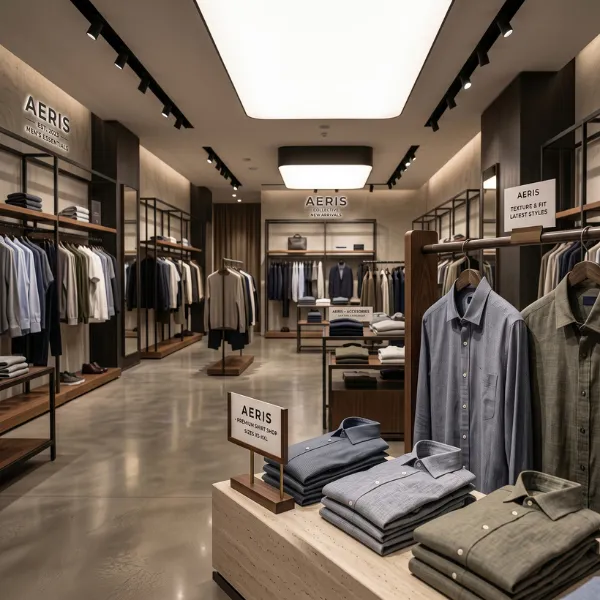
5 Key Factors Affecting Costs in Bulk Men's Shirt Production
Cost calculations in high-volume men’s shirt production form the foundation of purchasing strategies for wholesalers, boutique sellers, private label brands and corporate buyers. Understanding the main factors that influence bulk production costs helps businesses manage budgets more accurately while protecting product quality.
READ MORE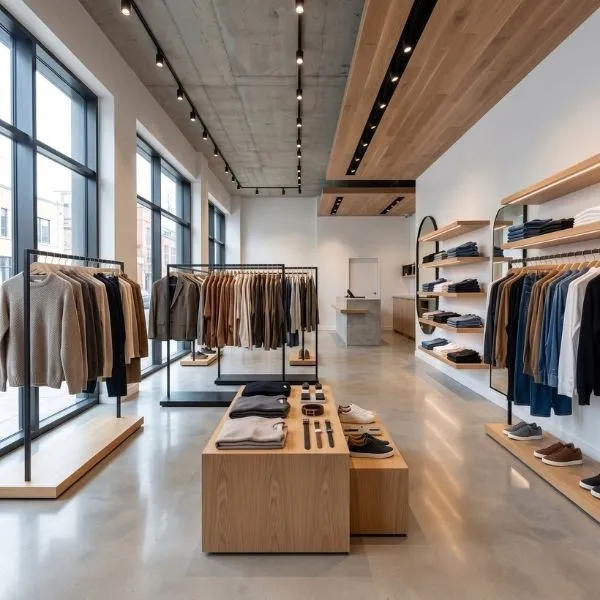
Critical Elements You Need to Know for Successful Export in the European and U.S. Textile Markets
Exporting textile products to Europe and the United States requires more than production capacity and competitive pricing. Each market has its own consumer expectations, legal requirements, certification standards, logistics dynamics and brand communication habits.
READ MORE
Critical Considerations in the Wholesale Shirt Purchasing Process
Buying shirts in bulk is not only about choosing models and comparing prices. For retailers, wholesalers, corporate buyers and private label brands, the success of a shirt order depends on fit selection, fabric quality, cost planning, color variety, delivery reliability, quality control and after-sales support.
READ MORE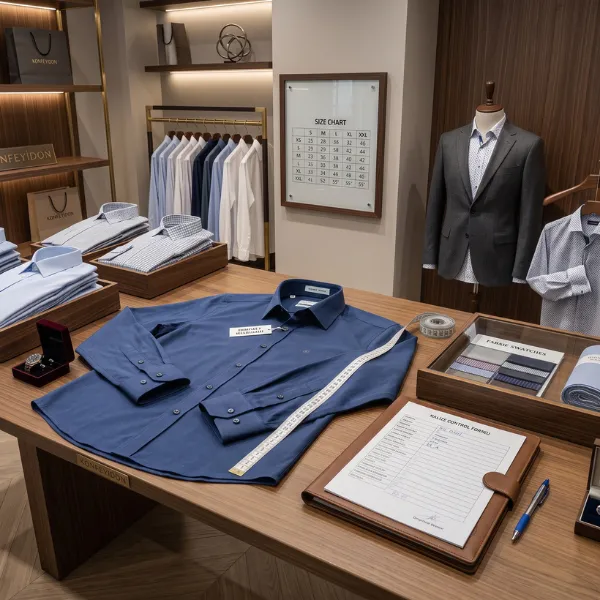
How Is the Quality Control Process Managed in Bulk Shirt Orders?
In bulk shirt orders, ensuring that every product carries the same quality standard is just as important as delivering the order on time. Small differences in a few pieces may create a limited issue in individual sales, but in production volumes of hundreds or thousands of shirts, these differences can turn into serious costs.
READ MORE
The Details of Quality Control Process with Akçınar Giyim in Bulk Shirt Orders
Akçınar Giyim approaches bulk shirt order quality control as a structured process that begins before production and continues until final shipment. By defining clear standards, approving samples and inspecting production stages, businesses can reduce the risk of inconsistent products, customer complaints and delivery problems.
READ MORE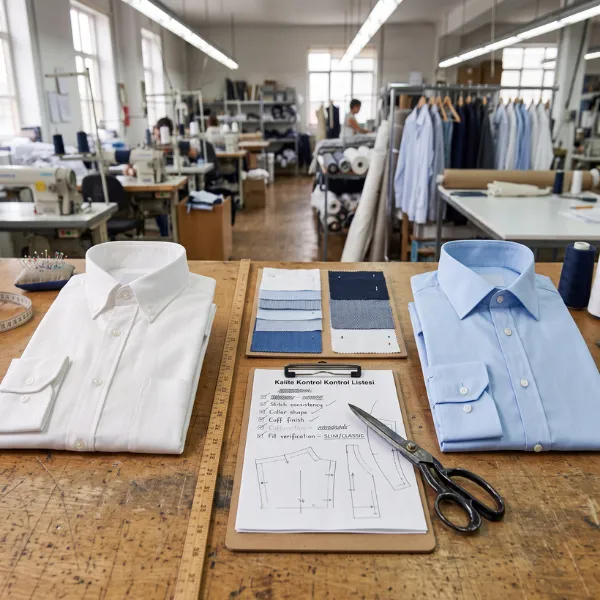
Classic and Slim Fit Men's Shirts The Details of Choosing the Right Cut for Your Brand
Choosing between classic fit and slim fit men’s shirts is an important decision for brands that want to build a strong product identity and meet the expectations of their target customers. Shirt fit affects not only appearance, but also comfort, customer satisfaction, sales performance and brand positioning.
READ MORE
The Key to Success in Bulk Men's Shirt Orders A Practical Guide from Akçınar Giyim
Placing a bulk men’s shirt order is a critical process for businesses that serve a wide customer base. From product quality and model selection to delivery planning and cost management, every decision can directly affect stock performance, customer satisfaction and long-term profitability.
READ MORE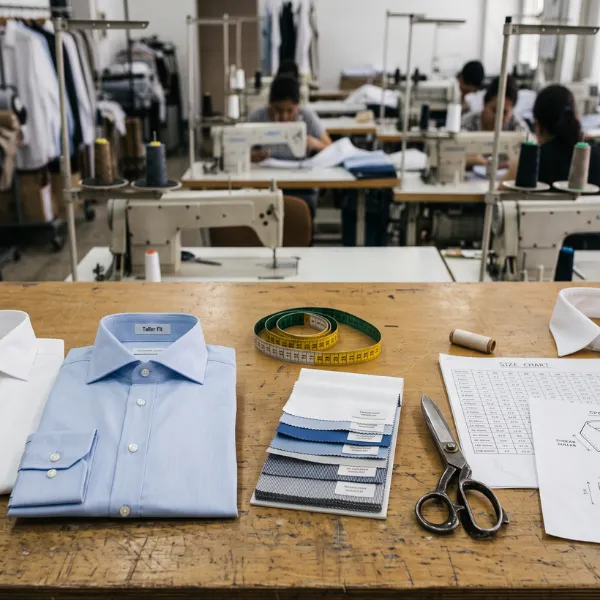
The Subtle Differences Between Men's Shirt Size and Tailor Fit Explained in Detail by Akçınar Giyim
Choosing the right men’s shirt size is one of the most important details that affects both style and comfort. A shirt may be made from high-quality fabric and have strong workmanship, but if the size or fit is not suitable for the body, it may not create the desired appearance or wearing experience.
READ MORE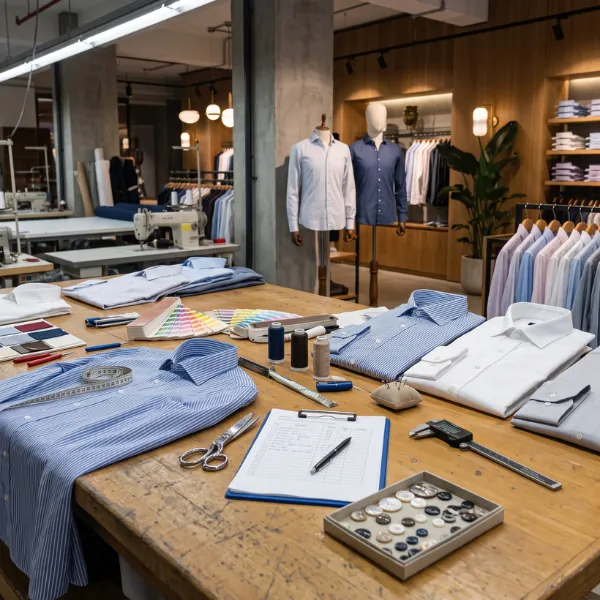
Nuances of Quality Control in Shirt Production for European and U.S. Markets
Quality control in shirt production is a critical process for apparel brands, wholesalers, private label companies and retailers that target European and U.S. markets. These markets are known for high product expectations, strict quality standards and strong attention to details such as fabric performance, stitching consistency, fit accuracy and finishing quality.
READ MORE