Key Factors Affecting Prices in Wholesale Purchasing and Common Cost Mistakes

Key Factors Affecting Wholesale Shirt Pricing
Wholesale price factors play a critical role in purchasing decisions for fashion brands, retailers, boutique sellers, private label companies and corporate buyers. In bulk purchasing, the final price is not shaped only by the product itself; fabric quality, workmanship, production planning, logistics, order volume and market dynamics all influence the total cost.
For buyers planning wholesale shirt orders, understanding these factors helps create more accurate budgets, reduce purchasing risks and protect long-term product quality. A low unit price may seem attractive at first, but if quality, delivery reliability or customer satisfaction is compromised, the real cost can increase over time.
Evaluating wholesale pricing with a broader perspective allows buyers to balance cost, quality and supply chain reliability more effectively.
Key Points in Wholesale Shirt Pricing
- Fabric quality is one of the most important factors affecting wholesale price.
- Workmanship, sewing quality and production efficiency directly influence cost.
- Logistics, customs, transportation and delivery planning can significantly affect total purchasing expenses.
- Higher order volumes can create unit price advantages, but excessive product variety may increase production complexity.
- Low-quality choices may create long-term costs through returns, stock losses and customer dissatisfaction.
- Seasonal trends, fashion demand and supplier flexibility should be considered in pricing decisions.
The Importance of Fabric Quality in Wholesale Pricing
Fabric quality is one of the most decisive factors in wholesale pricing. High-quality fabric improves product durability, appearance and customer satisfaction, but it also directly increases production costs.
Cotton ratio, yarn count, weaving technique, fabric weight and special finishing processes all influence the final price. The type and thickness of the fabric also play a critical role in determining the right balance between price and performance for the buyer’s target market.
For brands and retailers, fabric selection should not be evaluated only by initial cost. A fabric that performs better in wear, washing and long-term use can help reduce returns and protect brand value.
The Effect of Production Process and Workmanship Costs on Price
In bulk production, workmanship quality and production process efficiency are other important factors that shape price. Details requiring skilled labor, sewing quality and model complexity may increase production costs.
At the same time, advanced production technology and automation can reduce labor costs and create price advantages. However, fast and low-quality production can negatively affect customer satisfaction in the long term and create additional costs.
For this reason, buyers should evaluate production price together with workmanship quality, production discipline and quality control standards.
How Logistics and Delivery Conditions Affect Pricing
In wholesale purchasing, logistics expenses have a clear impact on product cost. Delivery time, transportation method and delivery destination are among the factors that can increase the final price.
For international buyers, customs procedures, taxes, transportation insurance and freight costs may create additional budget pressure. Disruptions in supply chain management can also lead to delays and extra expenses.
Therefore, logistics planning is essential for price stability. Buyers should evaluate shipping conditions, delivery timelines and possible additional costs before confirming bulk orders.
The Effect of Demand and Order Volume on Price Dynamics
In bulk purchasing, order volume can create important advantages in price negotiations. Higher-volume orders may reduce unit prices, while very small orders can increase production costs.
However, when product variety, color alternatives or model differences increase, production complexity may also rise. This can affect cutting, sewing, fabric planning and stock management processes.
For buyers, analyzing the relationship between order volume and price helps prevent budget surprises and supports more realistic purchasing plans.
Buyers who want to review different men’s shirt options can visit Akçınar Giyim’s shirt product groups page as a starting point.
How Low-Quality Choices Turn Into Long-Term Costs
One of the most common mistakes in wholesale price analysis is focusing only on short-term price advantages. Purchasing cheap and low-quality products can increase return rates, damage brand image and create stock losses.
Poor quality can also reduce customer satisfaction and negatively affect sales performance. These problems may turn the initial price advantage into long-term financial losses.
For this reason, buyers should consider not only the unit price but also product reliability, customer expectations and long-term brand positioning.
The Role of Seasonal and Fashion Trends in Pricing
For fashion brands and retailers, seasonal trends are an important pricing parameter. Popular colors, cuts and styles can increase demand, while outdated or excess-stock products may require price reductions.
This variability should not be ignored when analyzing wholesale price factors. Buyers who follow trends correctly can gain price advantages while also optimizing stock management.
Trend analysis helps brands make more accurate decisions about order timing, product variety and purchasing volume.
Non-Price Criteria That Influence Purchasing Costs
Factors beyond price can also affect the real cost of purchasing. For example, sustainability certificates and environmentally friendly production processes may increase cost, but they can also contribute to brand value.
Supplier capacity and delivery flexibility may also affect pricing, especially for urgent orders. A supplier that can respond quickly to changing demand may provide operational value even if the initial price is not the lowest.
For this reason, wholesale price evaluation should be multidimensional and should include quality, sustainability, flexibility and delivery performance.
Common Mistakes in Price Negotiation Processes
During negotiations, asking only for the lowest price can often lead to cost-increasing mistakes. Ignoring quality, delivery time and payment conditions may create extra expenses later.
Another common mistake is missing the opportunity to build a long-term relationship with the supplier. A reliable supplier relationship can support better communication, more stable planning and stronger cost control.
Instead of evaluating price factors alone, buyers should adopt a holistic approach that includes quality, timing, service level and long-term cooperation potential.
The Importance of Balancing Price and Quality
Among the most important factors affecting wholesale purchasing, the balance between price and quality has a critical place. Affordable but low-quality products may seem attractive in the short term, but they can increase total costs in the long run.
On the other hand, excessively high-priced products may create risks in marketing, sales and stock management. Therefore, quality standards should be clearly defined in the pricing strategy.
Buyers should choose the optimum solution according to their needs, target market and customer expectations.
How Buyers Can Analyze Price Factors More Effectively
Understanding the details of pricing provides an advantage in wholesale purchasing. First, buyers should examine the technical features of the product and the production process in detail.
Then, the supplier’s logistics capacity and flexibility should be evaluated. The relationship between order volume and price should also be carefully analyzed.
In addition, experience from previous similar purchases can make price expectations more realistic. This approach helps keep costs under control while reducing purchasing risks.
Wholesale Shirt Pricing Checklist
- Has the fabric quality been evaluated according to the target market?
- Are fabric type, weight, cotton ratio and finishing properties clear?
- Has workmanship quality been reviewed together with production cost?
- Is the production process efficient enough for the planned order volume?
- Have logistics, customs, freight and delivery costs been included in the calculation?
- Has the relationship between order volume and unit price been analyzed?
- Are seasonal trends and demand expectations considered?
- Has the balance between price, quality and supplier reliability been reviewed?
Common Mistakes in Wholesale Price Analysis
- Focusing only on the lowest unit price
- Ignoring fabric quality and long-term product performance
- Underestimating workmanship and production process costs
- Not calculating logistics, customs and delivery expenses
- Increasing color and model variety without considering production complexity
- Choosing low-quality products that may increase returns and stock losses
- Ignoring seasonal trends and market demand
- Negotiating price without considering quality, delivery and supplier reliability
Frequently Asked Questions About Wholesale Shirt Price Factors
What affects wholesale shirt pricing the most?
The main factors include fabric quality, workmanship, production process efficiency, logistics, order volume, product variety, seasonal trends and supplier reliability. These factors should be evaluated together.
Does a higher order quantity always reduce price?
Higher quantities can reduce unit prices, but only when production planning, fabric sourcing and order structure are managed correctly. Excessive color or model variety may increase complexity and cost.
Why is fabric quality important in wholesale purchasing?
Fabric quality affects durability, appearance, customer satisfaction, washing performance and brand perception. Low-quality fabric may create higher long-term costs through returns or complaints.
How do logistics affect wholesale price?
Transportation, customs, insurance, storage and delivery timelines can all affect the final purchasing cost. Poor logistics planning may create delays and additional expenses.
Akçınar Giyim’s Approach to Wholesale Shirt Production
Akçınar Giyim supports wholesale buyers, fashion brands, retailers and corporate customers with shirt production processes focused on quality, consistency and reliable communication.
From fabric selection and production planning to workmanship, quality control, packaging and delivery, each stage should support both cost control and product reliability.
This approach helps buyers evaluate wholesale price factors more clearly while protecting the quality standards expected in competitive markets.
In Summary: Wholesale Pricing Requires More Than a Low Unit Cost
Understanding price factors in detail and avoiding common purchasing mistakes brings success in wholesale buying. Purchasing decisions should not be based only on price; quality, logistics, production features and supplier reliability should also be evaluated together.
Buyers who act with this awareness can gain competitive advantage in the market and build sustainable business relationships.
Similar Blogs

Important Factors Affecting Costs When Buying Wholesale
When buying wholesale, material quality is one of the most important factors determining costs. Cotton, polyester, and blended fabrics each have a different pricing level. For example, although high-quality cotton fabrics are more durable and comfortable, they place direct upward pressure on costs. The quality of the yarn used and the weaving density are also among the technical details that affect the price.
READ MORE
Details to Keep in Mind Before Placing a Custom Design Orde
Before placing a custom design order, the first step is to fully define the expectations related to the product. Determining elements such as fabric quality, color palette, cut details and intended use in detail helps prevent misunderstandings that may arise during the production process. Technical drawings or sample requests shared with the supplier are critical for ensuring that the order is understood correctly. At this stage, originality and functionality should be balanced by considering fashion trends and the demands of the target audience.
READ MORE
5 Key Factors Affecting Costs in Bulk Men's Shirt Production
Cost calculations in high-volume men’s shirt production form the foundation of purchasing strategies for wholesalers, boutique sellers, private label brands and corporate buyers. Understanding the main factors that influence bulk production costs helps businesses manage budgets more accurately while protecting product quality.
READ MORE
Critical Elements You Need to Know for Successful Export in the European and U.S. Textile Markets
Exporting textile products to Europe and the United States requires more than production capacity and competitive pricing. Each market has its own consumer expectations, legal requirements, certification standards, logistics dynamics and brand communication habits.
READ MORE
Critical Considerations in the Wholesale Shirt Purchasing Process
Buying shirts in bulk is not only about choosing models and comparing prices. For retailers, wholesalers, corporate buyers and private label brands, the success of a shirt order depends on fit selection, fabric quality, cost planning, color variety, delivery reliability, quality control and after-sales support.
READ MORE
How Is the Quality Control Process Managed in Bulk Shirt Orders?
In bulk shirt orders, ensuring that every product carries the same quality standard is just as important as delivering the order on time. Small differences in a few pieces may create a limited issue in individual sales, but in production volumes of hundreds or thousands of shirts, these differences can turn into serious costs.
READ MORE
The Details of Quality Control Process with Akçınar Giyim in Bulk Shirt Orders
Akçınar Giyim approaches bulk shirt order quality control as a structured process that begins before production and continues until final shipment. By defining clear standards, approving samples and inspecting production stages, businesses can reduce the risk of inconsistent products, customer complaints and delivery problems.
READ MORE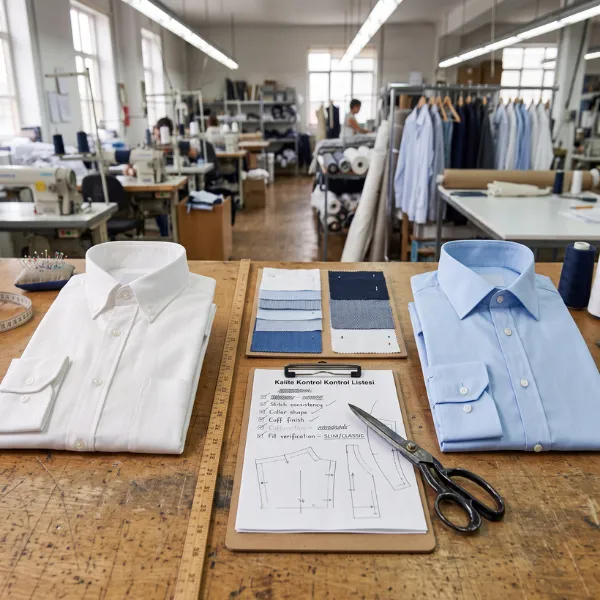
Classic and Slim Fit Men's Shirts The Details of Choosing the Right Cut for Your Brand
Choosing between classic fit and slim fit men’s shirts is an important decision for brands that want to build a strong product identity and meet the expectations of their target customers. Shirt fit affects not only appearance, but also comfort, customer satisfaction, sales performance and brand positioning.
READ MORE
The Key to Success in Bulk Men's Shirt Orders A Practical Guide from Akçınar Giyim
Placing a bulk men’s shirt order is a critical process for businesses that serve a wide customer base. From product quality and model selection to delivery planning and cost management, every decision can directly affect stock performance, customer satisfaction and long-term profitability.
READ MORE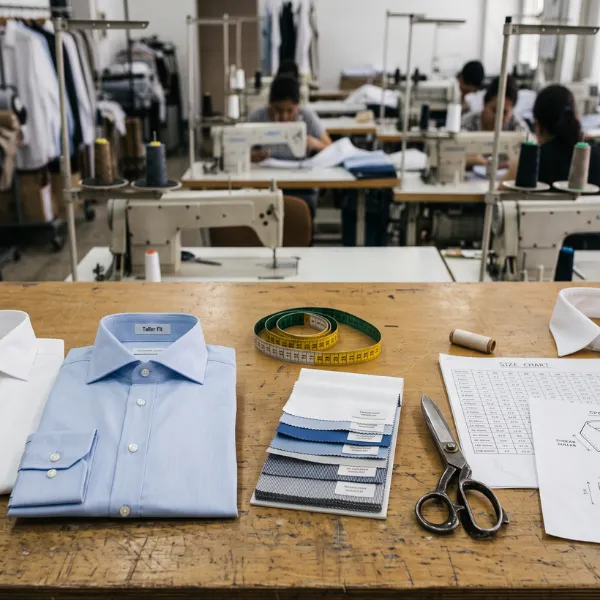
The Subtle Differences Between Men's Shirt Size and Tailor Fit Explained in Detail by Akçınar Giyim
Choosing the right men’s shirt size is one of the most important details that affects both style and comfort. A shirt may be made from high-quality fabric and have strong workmanship, but if the size or fit is not suitable for the body, it may not create the desired appearance or wearing experience.
READ MORE