Nuances of Quality Control in Shirt Production for European and U.S. Markets
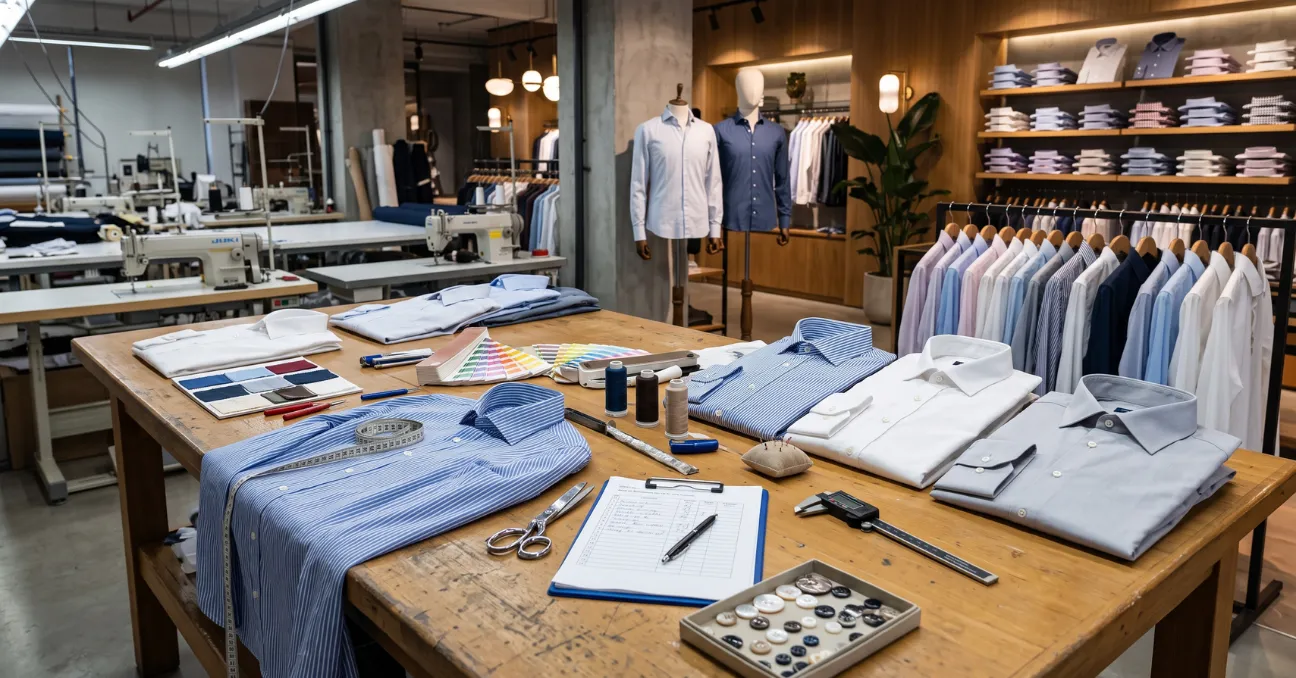
Quality control in shirt production is a critical process for apparel brands, wholesalers, private label companies and retailers that target European and U.S. markets. These markets are known for high product expectations, strict quality standards and strong attention to details such as fabric performance, stitching consistency, fit accuracy and finishing quality.
For shirt manufacturers, quality control is not only about detecting defective products at the end of production. It is a structured system that should begin with fabric selection and continue through pattern development, sample approval, cutting, sewing, finishing, packaging and shipment. Akçınar Giyim supports brands with a production approach focused on consistency, workmanship and export-ready quality.
The Importance of Quality Control in Shirt Production for European and U.S. Markets
European and American fashion markets require reliable product quality, accurate sizing and consistent finishing details. A shirt that looks visually strong but fails in washing performance, measurement consistency or stitching durability can negatively affect customer satisfaction and brand reputation.
For this reason, quality control must be integrated into every stage of shirt production. Fabric behavior, shrinkage risk, color stability, pattern accuracy, button durability, collar structure and packaging standards should all be reviewed before the final product reaches the buyer.
Experienced manufacturers such as Akçınar Giyim approach quality control as a complete production discipline. This helps brands reduce product complaints, improve repeat order performance and build stronger trust in international markets.
Common Quality Issues in Shirt Manufacturing
To build an effective quality control system, apparel businesses should first understand the common sources of production errors. Fabric defects, incorrect cutting, measurement deviation, stitching problems, color differences, weak buttons and inconsistent finishing can all reduce product value.
In European markets, fabric origin, technical performance and sustainability-related expectations may play a stronger role. In the U.S. market, durability, sizing consistency, comfort and product safety can become key purchasing criteria, especially for larger retail programs.
These expectations make quality control more detailed and multi-layered. A reliable production partner should be able to identify potential problems early and correct them before they affect larger production quantities.
Quality Control Layers in Integrated Design and Production
Quality control should not be limited to final inspection. In successful shirt production, quality standards begin at the design and development stage. Fabric selection, pattern planning, sample preparation and prototype review form the foundation of the final product quality.
Before bulk production begins, sample shirts should be checked for measurement accuracy, shoulder fit, sleeve length, collar balance, stitching quality, button placement and overall comfort. This approval stage helps prevent repeated mistakes in larger production runs.
During production, cutting accuracy, sewing consistency, fabric direction, color matching and finishing details should be controlled regularly. At the final stage, shirts should be reviewed for visual appearance, measurement tolerance, labeling, packaging and shipment readiness.
Brands that want to review different production categories and shirt options can visit Akçınar Giyim’s shirt product groups page for more information about available product structures.
Fabric Testing and Material Quality Standards
Fabric quality is one of the most important elements in shirt manufacturing. Even with strong workmanship, a shirt may fail to meet customer expectations if the fabric has poor shrinkage performance, weak color stability or low durability.
For European and U.S. markets, fabric should be evaluated according to softness, breathability, washing behavior, color fastness, texture, weight and seasonal suitability. Cotton, cotton blends, linen blends and performance fabrics may each require different inspection criteria.
Material quality control should also include trims and accessories. Buttons, labels, interlinings, collar materials and packaging components must support the final quality level of the shirt.
Sustainability and Innovation in Quality Control
Sustainability has become an increasingly important expectation in European and U.S. apparel markets. Quality control is no longer limited to product appearance; it also includes responsible material selection, waste management, production efficiency and long-term product durability.
Using durable fabrics, reducing production waste and improving process consistency can support both product quality and sustainability goals. For apparel brands, this approach strengthens market positioning and helps build a more responsible supply chain.
Akçınar Giyim’s production perspective combines quality-focused manufacturing with continuous improvement. This helps brands develop shirt collections that are not only visually strong but also more consistent, reliable and commercially sustainable.
Practical Quality Control Examples in Shirt Production
In shirt manufacturing, small details can have a major impact on the final customer experience. For example, a slight measurement deviation in sleeve length or collar width can create fit inconsistency across a collection.
Stitching problems, loose buttons, uneven hems, fabric shade differences and incorrect labeling are common issues that should be identified before products are packed and shipped. Real-time quality checks during production help reduce these risks.
Akçınar Giyim’s quality-oriented production process supports consistent inspection across different production stages. This approach helps protect brand reputation and supports higher customer satisfaction in wholesale and export-focused orders.
The Strategic Role of Quality Control in Market Compliance
European and U.S. markets may require different documentation, testing and compliance expectations depending on the product type, buyer requirements and target customer group. For example, certifications such as OEKO-TEX, GOTS or product safety standards may become relevant depending on the project scope.
For children’s shirts or special retail programs, additional product safety and labeling requirements may also need to be considered. This makes early-stage planning and quality documentation especially important for export-oriented production.
Quality control helps brands reduce the risk of shipment delays, product rejection, return issues and compliance problems. When these processes are managed correctly, brands can enter international markets with stronger confidence.
The Future of Quality Control Technologies in Shirt Manufacturing
Digitalization and automation are changing quality control processes in the textile industry. Measurement systems, digital production tracking, data analysis and visual inspection technologies can help identify problems faster and more objectively.
Technology-supported quality control can reduce human error, improve production transparency and make performance trends easier to monitor. For manufacturers targeting European and U.S. markets, these systems can support more consistent output across different orders.
As buyer expectations continue to rise, manufacturers that invest in process improvement and modern quality control methods can gain a stronger competitive advantage.
Quality Control Checklist Before Shirt Production
- Is the target market clearly defined as Europe, the U.S. or another region?
- Are fabric quality, weight, texture and washing performance approved?
- Are measurement tolerances and fit expectations clearly documented?
- Has the sample shirt been reviewed before bulk production?
- Are stitching, collar, cuff, button and finishing details checked?
- Are color consistency and fabric shade differences controlled?
- Are sustainability or certification expectations evaluated?
- Are labeling, packaging and shipment standards confirmed?
Common Mistakes in Shirt Production Quality Control
- Checking quality only at the final production stage
- Starting bulk production without sample approval
- Ignoring fabric shrinkage and washing performance
- Not defining measurement tolerances clearly
- Overlooking stitching, button and collar details
- Ignoring market-specific certification or labeling expectations
- Not tracking recurring production errors
- Choosing a manufacturer without consistent quality control processes
Akçınar Giyim’s Quality-Focused Production Approach
Akçınar Giyim supports apparel brands, wholesalers, private label companies and retailers with shirt production processes focused on fabric selection, pattern accuracy, workmanship, quality control and export-oriented production discipline.
For brands targeting European and U.S. markets, working with an experienced manufacturer can help reduce production risks and improve collection reliability. A strong quality control structure supports better product performance, stronger customer satisfaction and long-term commercial growth.
In Summary: Strong Quality Control Builds Stronger Shirt Collections
Quality control in shirt production requires a detailed and disciplined approach, especially for European and U.S. markets. Fabric testing, sample approval, measurement accuracy, stitching consistency, sustainability expectations and final inspection should all be managed as part of one integrated process.
Akçınar Giyim’s experience and integrated production model help brands develop reliable, high-quality and commercially strong shirt collections. By improving quality control processes and supporting them with modern production methods, apparel brands can strengthen their position in international markets.
Similar Blogs

Important Factors Affecting Costs When Buying Wholesale
When buying wholesale, material quality is one of the most important factors determining costs. Cotton, polyester, and blended fabrics each have a different pricing level. For example, although high-quality cotton fabrics are more durable and comfortable, they place direct upward pressure on costs. The quality of the yarn used and the weaving density are also among the technical details that affect the price.
READ MORE
Details to Keep in Mind Before Placing a Custom Design Orde
Before placing a custom design order, the first step is to fully define the expectations related to the product. Determining elements such as fabric quality, color palette, cut details and intended use in detail helps prevent misunderstandings that may arise during the production process. Technical drawings or sample requests shared with the supplier are critical for ensuring that the order is understood correctly. At this stage, originality and functionality should be balanced by considering fashion trends and the demands of the target audience.
READ MORE
Key Factors Affecting Prices in Wholesale Purchasing and Common Cost Mistakes
Wholesale price factors play a critical role in purchasing decisions for fashion brands, retailers, boutique sellers, private label companies and corporate buyers. In bulk purchasing, the final price is not shaped only by the product itself; fabric quality, workmanship, production planning, logistics, order volume and market dynamics all influence the total cost.
READ MORE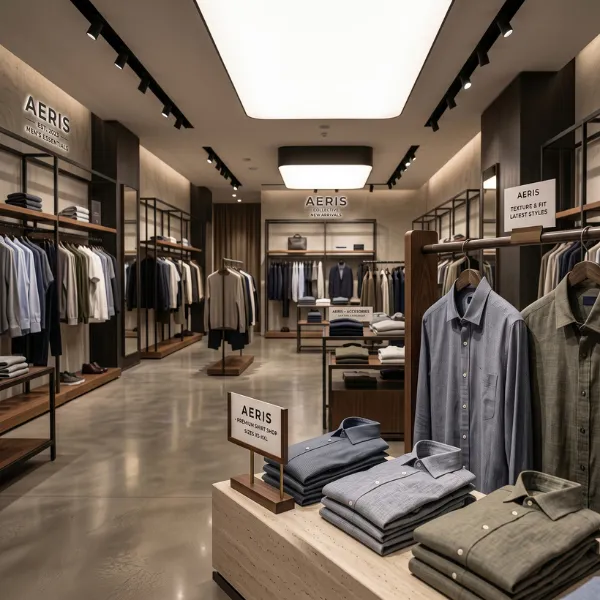
5 Key Factors Affecting Costs in Bulk Men's Shirt Production
Cost calculations in high-volume men’s shirt production form the foundation of purchasing strategies for wholesalers, boutique sellers, private label brands and corporate buyers. Understanding the main factors that influence bulk production costs helps businesses manage budgets more accurately while protecting product quality.
READ MORE
Critical Elements You Need to Know for Successful Export in the European and U.S. Textile Markets
Exporting textile products to Europe and the United States requires more than production capacity and competitive pricing. Each market has its own consumer expectations, legal requirements, certification standards, logistics dynamics and brand communication habits.
READ MORE
Critical Considerations in the Wholesale Shirt Purchasing Process
Buying shirts in bulk is not only about choosing models and comparing prices. For retailers, wholesalers, corporate buyers and private label brands, the success of a shirt order depends on fit selection, fabric quality, cost planning, color variety, delivery reliability, quality control and after-sales support.
READ MORE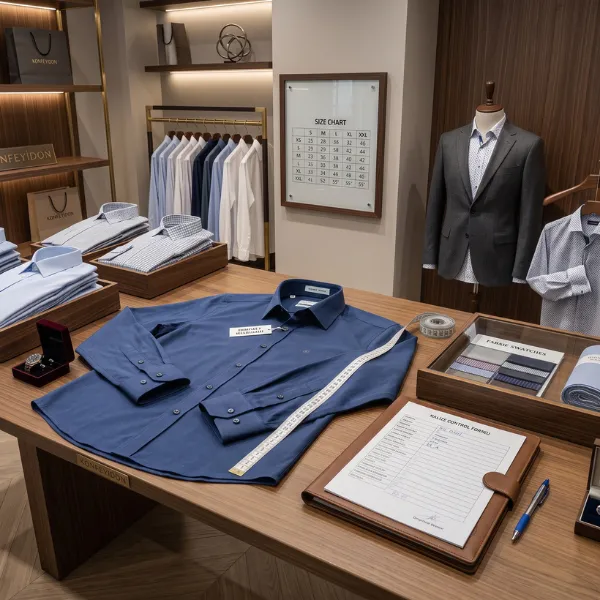
How Is the Quality Control Process Managed in Bulk Shirt Orders?
In bulk shirt orders, ensuring that every product carries the same quality standard is just as important as delivering the order on time. Small differences in a few pieces may create a limited issue in individual sales, but in production volumes of hundreds or thousands of shirts, these differences can turn into serious costs.
READ MORE
The Details of Quality Control Process with Akçınar Giyim in Bulk Shirt Orders
Akçınar Giyim approaches bulk shirt order quality control as a structured process that begins before production and continues until final shipment. By defining clear standards, approving samples and inspecting production stages, businesses can reduce the risk of inconsistent products, customer complaints and delivery problems.
READ MORE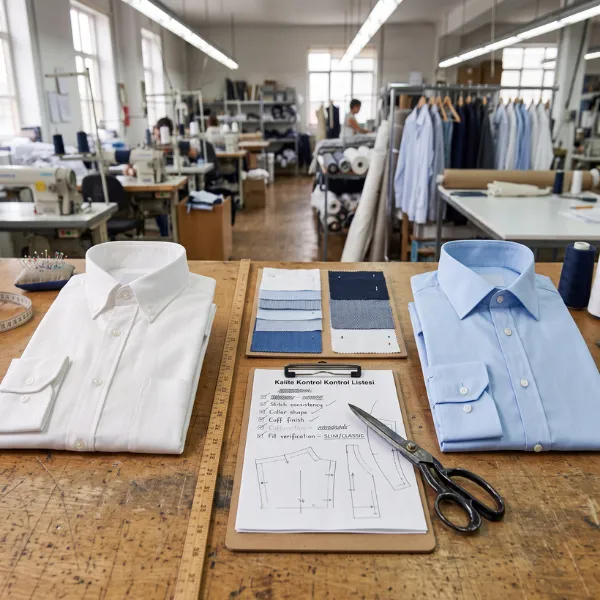
Classic and Slim Fit Men's Shirts The Details of Choosing the Right Cut for Your Brand
Choosing between classic fit and slim fit men’s shirts is an important decision for brands that want to build a strong product identity and meet the expectations of their target customers. Shirt fit affects not only appearance, but also comfort, customer satisfaction, sales performance and brand positioning.
READ MORE
The Key to Success in Bulk Men's Shirt Orders A Practical Guide from Akçınar Giyim
Placing a bulk men’s shirt order is a critical process for businesses that serve a wide customer base. From product quality and model selection to delivery planning and cost management, every decision can directly affect stock performance, customer satisfaction and long-term profitability.
READ MORE