Subtle Differences Between Tailored and Classic Fit Shirts and Style Compatibility

Choosing between tailored shirts and classic fit shirts is not only a matter of style. Fit, comfort, fabric quality, usage purpose, production detail and brand positioning all influence the final decision. For fashion retailers, private label brands, wholesalers and apparel businesses, understanding these differences can help create stronger shirt collections for different customer segments.
Tailored shirts offer a more personalized fit and refined appearance, while classic fit shirts provide timeless practicality, broader size coverage and everyday wearability. The right choice depends on the target audience, season, fabric preference, order quantity and expected customer experience.
1. Personalized Comfort in Tailored Shirts
Tailored shirts are designed according to more specific body measurements and fit expectations. Shoulder width, chest measurement, sleeve length, collar size and overall garment length are evaluated more carefully to create a shirt that fits the wearer more precisely.
This personalized structure helps reduce common fit problems such as excess fabric around the waist, tightness across the chest or sleeves that are too long or too short. For customers who expect a sharper silhouette and higher comfort, tailored shirts can offer a stronger product experience.
In premium shirt production, fabric selection also strengthens the value of tailored models. High-quality cotton fabrics, refined textures and carefully planned stitching details can improve both comfort and appearance. For brands that want to position their collections in a more premium segment, tailored shirt production can be a strategic advantage.
2. The Timeless Practicality of Classic Fit Shirts
Classic fit shirts are designed with standard patterns that appeal to a wider customer group. Because they are based on more general sizing structures, they are practical for retail collections, wholesale orders and online sales.
These shirts are often preferred by customers who want a comfortable, easy-to-wear and versatile shirt for business, daily wear or casual styling. Classic fit models can work well across different age groups and body types when the pattern is planned correctly.
Although classic fit shirts may not offer the same level of personalization as tailored models, modern pattern techniques and quality fabrics can significantly improve their comfort and appearance. For brands seeking repeatable production and broad market appeal, classic fit shirts remain a strong option.
3. Fit Differences Between Tailored and Classic Fit Shirts
The most important difference between tailored shirts and classic fit shirts is the fit structure. Tailored shirts usually follow the body more closely and are designed to create a cleaner, more refined look. Classic fit shirts provide more room around the chest, waist and sleeves.
For customers with broader shoulders, longer arms or specific body proportions, tailored shirts may provide a better result. For customers who prioritize movement comfort and relaxed daily use, classic fit shirts may be more suitable.
Brands should decide which fit structure matches their target audience. A premium officewear brand may prefer tailored shirts, while a casual retail brand may focus on classic fit models with comfortable fabrics and easy styling options.
4. Fabric Quality and Its Impact on Shirt Experience
Fabric quality directly affects the comfort, durability and visual value of both tailored and classic fit shirts. Breathability, softness, washing performance, shrinkage behavior and texture should all be evaluated before production begins.
Tailored shirts often benefit from more refined fabrics because the fit and workmanship are more visible. Premium cotton, smooth weaves and carefully selected textures can create a more elegant appearance.
Classic fit shirts can be produced with a wider fabric range depending on the intended use. Cotton, linen, cotton blends and seasonal fabrics may be preferred for business, casual or summer collections.
5. Workmanship and Detail Differences
Workmanship plays a critical role in shirt quality. In tailored shirts, details such as collar structure, button placement, cuff shape, stitching line, shoulder balance and pattern precision are especially important.
Because tailored shirts are expected to offer a more refined fit, small production details become more visible. Accurate cutting, clean sewing and consistent measurements help create a premium result.
Classic fit shirts may be produced with more standardized processes, especially in larger production runs. However, this does not mean lower quality. With proper quality control and strong production standards, classic fit shirts can also deliver a reliable and long-lasting customer experience.
Brands that want to compare different shirt categories and production options can review Akçınar Giyim’s shirt product groups page for more information about available product structures.
6. Style Options and Daily Use
Tailored shirts are often preferred for business meetings, formal events, premium retail collections and occasions where a polished appearance is important. The closer fit and refined structure make the shirt look more intentional and sophisticated.
Classic fit shirts are more flexible for daily use. They can be styled with denim, chino pants, jackets or casual outerwear. Their relaxed structure supports comfort throughout the day, especially for customers who do not want a very fitted silhouette.
For summer collections, linen and cotton-blend classic shirts can offer breathable comfort. For more formal collections, tailored shirts made from smooth cotton fabrics can create a stronger professional image.
7. Choosing the Right Model for Online Sales
Online shopping makes fit clarity especially important. Tailored shirts require detailed measurement guidance because customers need to understand shoulder width, chest fit, sleeve length and collar size before ordering.
Classic fit shirts are generally easier to sell online because customers can select standard sizes from a size chart. However, product descriptions should still explain fit structure, fabric type and model details clearly.
For apparel brands, detailed product information, size charts, fabric descriptions and fit guidance can reduce return rates and improve customer satisfaction in both tailored and classic fit shirt sales.
8. Which Shirt Type Is Better for Retail Brands?
The right shirt type depends on the retail strategy. Tailored shirts can help a brand create a premium image and serve customers who expect a sharper, more personal fit. They may be ideal for officewear, luxury collections and special capsule lines.
Classic fit shirts can support larger collections because they appeal to broader customer groups. They are suitable for wholesale orders, seasonal retail collections and brands that prioritize practicality and repeatable sizing.
Many brands may benefit from offering both options. Tailored shirts can strengthen premium positioning, while classic fit shirts can support volume sales and everyday use.
9. Common Mistakes When Choosing Between Tailored and Classic Fit Shirts
- Choosing only according to price instead of fit and target audience
- Ignoring body type and customer comfort expectations
- Using the same fabric strategy for every shirt model
- Not explaining fit differences clearly in online sales
- Starting production without sample approval
- Overlooking collar, cuff, button and stitching details
- Ignoring washing performance and shrinkage behavior
- Not matching the shirt model with brand positioning
10. Practical Checklist Before Shirt Production
- Define whether the collection targets formal, casual, premium or daily use.
- Decide whether tailored fit, classic fit or both models are needed.
- Review the target customer’s body type and comfort expectations.
- Select fabric according to season, usage purpose and washing performance.
- Prepare accurate measurement and pattern details.
- Approve sample shirts before larger production runs.
- Clarify collar, cuff, button, stitching and finishing details.
- Prepare clear size charts and product descriptions for online sales.
- Plan quality control before packaging and delivery.
In Summary: The Right Fit Strengthens Shirt Quality
Tailored shirts and classic fit shirts both offer valuable advantages for different customer needs. Tailored shirts provide a more personalized fit, refined appearance and premium comfort, while classic fit shirts offer practical sizing, broad appeal and timeless daily wearability.
The best choice depends on the target audience, usage purpose, fabric quality, production detail and brand positioning. For some brands, the strongest strategy may be combining both models within the same collection.
Akçınar Giyim supports apparel brands, wholesalers, private label companies and retailers with shirt production experience, broad fabric options, flexible manufacturing capabilities and quality-focused production processes. By choosing the right fit and production partner, brands can create shirt collections that deliver comfort, style and long-term customer satisfaction.
Similar Blogs

Important Factors Affecting Costs When Buying Wholesale
When buying wholesale, material quality is one of the most important factors determining costs. Cotton, polyester, and blended fabrics each have a different pricing level. For example, although high-quality cotton fabrics are more durable and comfortable, they place direct upward pressure on costs. The quality of the yarn used and the weaving density are also among the technical details that affect the price.
READ MORE
Details to Keep in Mind Before Placing a Custom Design Orde
Before placing a custom design order, the first step is to fully define the expectations related to the product. Determining elements such as fabric quality, color palette, cut details and intended use in detail helps prevent misunderstandings that may arise during the production process. Technical drawings or sample requests shared with the supplier are critical for ensuring that the order is understood correctly. At this stage, originality and functionality should be balanced by considering fashion trends and the demands of the target audience.
READ MORE
Key Factors Affecting Prices in Wholesale Purchasing and Common Cost Mistakes
Wholesale price factors play a critical role in purchasing decisions for fashion brands, retailers, boutique sellers, private label companies and corporate buyers. In bulk purchasing, the final price is not shaped only by the product itself; fabric quality, workmanship, production planning, logistics, order volume and market dynamics all influence the total cost.
READ MORE
5 Key Factors Affecting Costs in Bulk Men's Shirt Production
Cost calculations in high-volume men’s shirt production form the foundation of purchasing strategies for wholesalers, boutique sellers, private label brands and corporate buyers. Understanding the main factors that influence bulk production costs helps businesses manage budgets more accurately while protecting product quality.
READ MORE
Critical Elements You Need to Know for Successful Export in the European and U.S. Textile Markets
Exporting textile products to Europe and the United States requires more than production capacity and competitive pricing. Each market has its own consumer expectations, legal requirements, certification standards, logistics dynamics and brand communication habits.
READ MORE
Critical Considerations in the Wholesale Shirt Purchasing Process
Buying shirts in bulk is not only about choosing models and comparing prices. For retailers, wholesalers, corporate buyers and private label brands, the success of a shirt order depends on fit selection, fabric quality, cost planning, color variety, delivery reliability, quality control and after-sales support.
READ MORE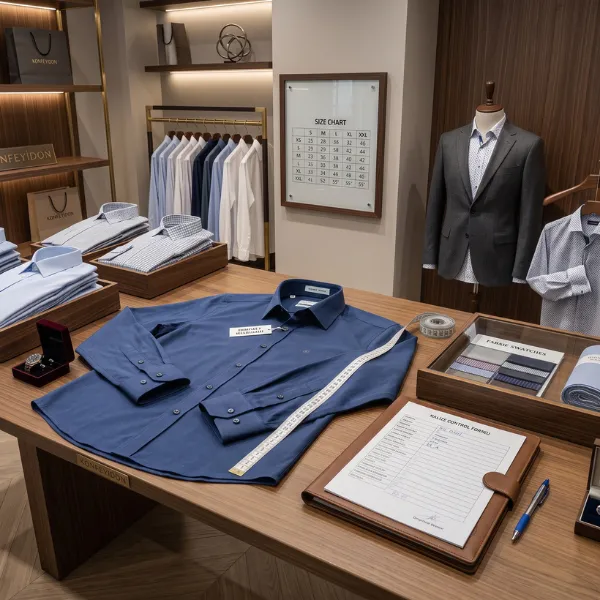
How Is the Quality Control Process Managed in Bulk Shirt Orders?
In bulk shirt orders, ensuring that every product carries the same quality standard is just as important as delivering the order on time. Small differences in a few pieces may create a limited issue in individual sales, but in production volumes of hundreds or thousands of shirts, these differences can turn into serious costs.
READ MORE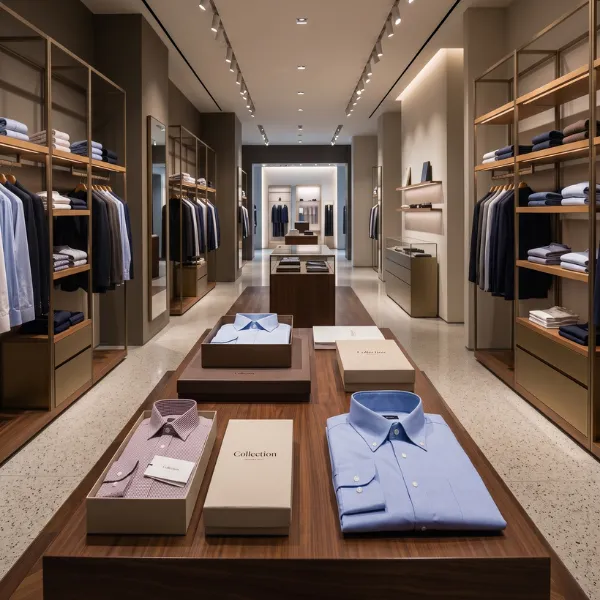
The Details of Quality Control Process with Akçınar Giyim in Bulk Shirt Orders
Akçınar Giyim approaches bulk shirt order quality control as a structured process that begins before production and continues until final shipment. By defining clear standards, approving samples and inspecting production stages, businesses can reduce the risk of inconsistent products, customer complaints and delivery problems.
READ MORE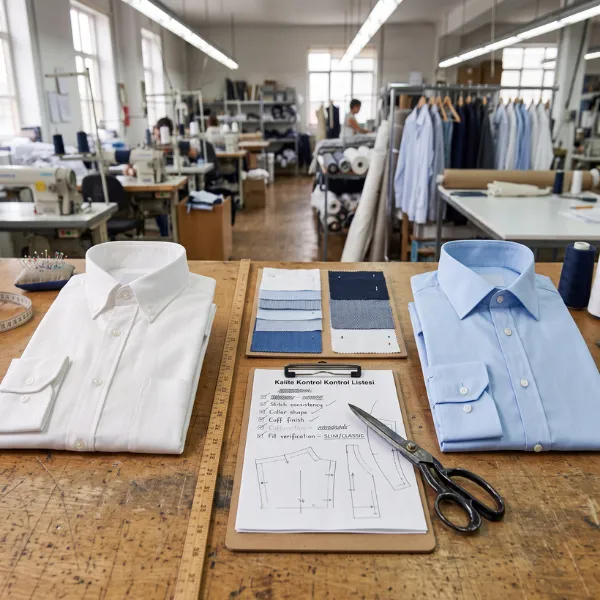
Classic and Slim Fit Men's Shirts The Details of Choosing the Right Cut for Your Brand
Choosing between classic fit and slim fit men’s shirts is an important decision for brands that want to build a strong product identity and meet the expectations of their target customers. Shirt fit affects not only appearance, but also comfort, customer satisfaction, sales performance and brand positioning.
READ MORE
The Key to Success in Bulk Men's Shirt Orders A Practical Guide from Akçınar Giyim
Placing a bulk men’s shirt order is a critical process for businesses that serve a wide customer base. From product quality and model selection to delivery planning and cost management, every decision can directly affect stock performance, customer satisfaction and long-term profitability.
READ MORE