Sustainability in Shirt Production
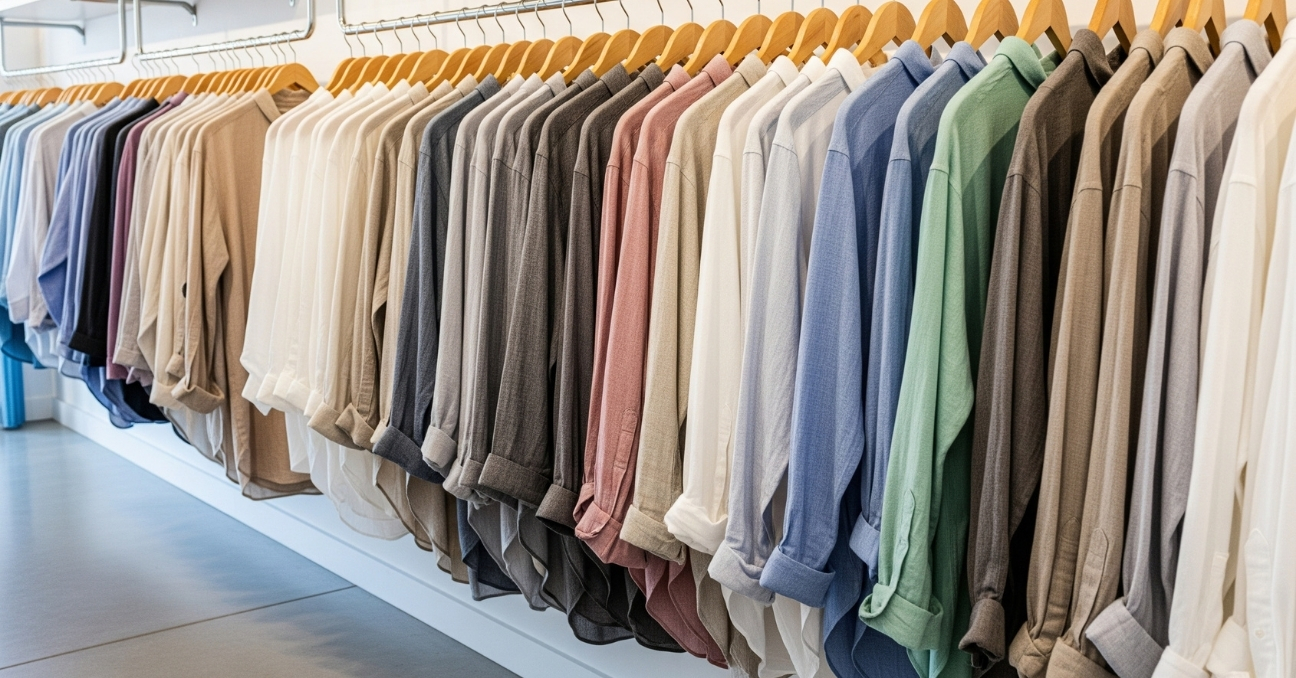
The fashion industry is changing, and one of the most important shifts is the growing focus on sustainability. Consumers are no longer just buying clothes for style or comfort—they also care about how their garments are made. This makes sustainable shirt production a rising priority for manufacturers across the globe.
GET INFORMATION ABOUT SUSTAINABLE SHIRT PRODUCTION
Although a shirt may seem like a simple item, the process of making it is far from basic. Every stage—from material sourcing and dyeing to cutting and sewing—can have a major environmental impact. Choosing the right techniques and materials can help reduce waste, pollution, and energy consumption.
Eco-Friendly Fabric Choices
Fabric selection plays a key role in sustainability. Materials like organic cotton , linen, hemp, and recycled polyester are more environmentally responsible compared to conventional options. Organic cotton, for instance, is grown without harmful chemicals and uses less water.
In addition, bamboo-based fabrics are becoming increasingly popular for their renewability and softness. When producers commit to eco-friendly fabric choices, they take a big step toward reducing their environmental footprint.
Reducing Waste in the Process
Modern shirt manufacturers are finding smart ways to reduce waste. This includes digital pattern design to minimize fabric scraps, and using leftover materials to create accessories or new designs. Some companies also adopt a made-to-order model, avoiding overproduction and unsold inventory.
Safe and Responsible Dyeing
Dyeing is traditionally one of the most polluting steps in clothing production. But today, more factories are switching to low-impact dyes, closed-loop water systems, and plant-based colorants. These alternatives limit water usage and avoid toxic runoff into local environments.
Worker Wellbeing and Ethics
Sustainability isn’t just about the environment—it’s also about people. Ethical manufacturing ensures safe conditions, fair wages, and humane treatment of garment workers. Many brands now choose factories that meet international labor standards or carry social responsibility certifications.
Packaging and Shipping Considerations
Sustainable packaging is another piece of the puzzle. Biodegradable bags, recycled paper, and compostable mailers are replacing plastic. Some companies also choose to offset their shipping emissions by investing in carbon credits or using eco-friendly logistics providers.
Educating the Consumer
Manufacturers can also support sustainability by guiding customers on garment care. Washing shirts at lower temperatures, avoiding the dryer, and repairing small tears can extend a product’s life. Some companies even offer take-back or recycling programs.
GET INFORMATION ABOUT SUSTAINABLE SHIRT PRODUCTION
Conclusion
Sustainability is no longer a bonus—it’s a necessity. By adopting smarter materials, ethical labor practices, and waste-reducing techniques, shirt manufacturers can make a meaningful difference. As the industry evolves, those who lead in sustainability will also lead in trust, loyalty, and innovation.
Similar Blogs
How Can You Tell a Quality Men's Shirt?
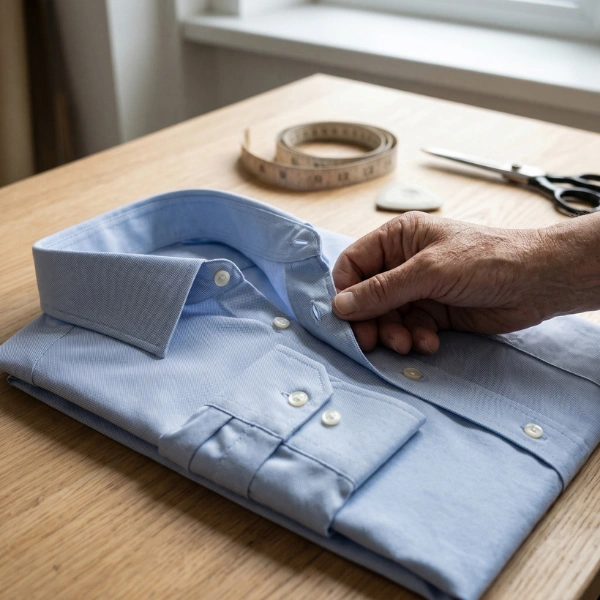
In menswear, shirts are among the most frequently preferred garments for both everyday wear and business life. However, not every shirt has the same level of quality. Many elements, from the fabric structure and stitching details to the fit and collar shape, determine the quality of a men's shirt. Therefore, when choosing a shirt, it is important to consider not only its color and style but also the details that indicate production quality.
READ MORE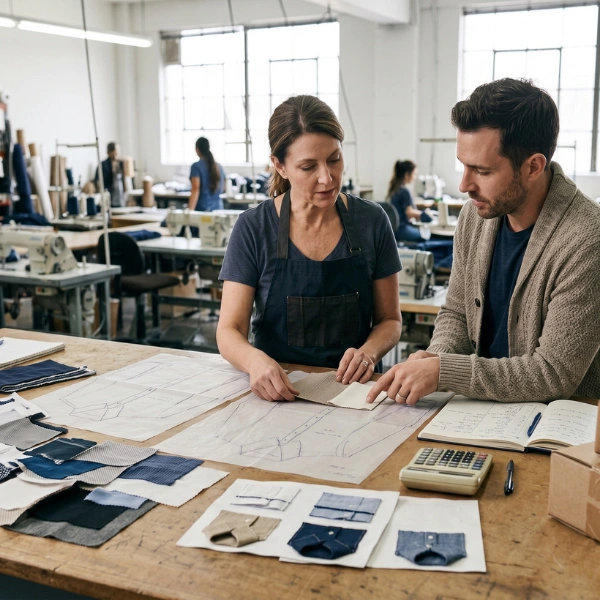
Important Factors Affecting Costs When Buying Wholesale
When buying wholesale, material quality is one of the most important factors determining costs. Cotton, polyester, and blended fabrics each have a different pricing level. For example, although high-quality cotton fabrics are more durable and comfortable, they place direct upward pressure on costs. The quality of the yarn used and the weaving density are also among the technical details that affect the price.
READ MORE
Details to Keep in Mind Before Placing a Custom Design Orde
Before placing a custom design order, the first step is to fully define the expectations related to the product. Determining elements such as fabric quality, color palette, cut details and intended use in detail helps prevent misunderstandings that may arise during the production process. Technical drawings or sample requests shared with the supplier are critical for ensuring that the order is understood correctly. At this stage, originality and functionality should be balanced by considering fashion trends and the demands of the target audience.
READ MORE
Key Factors Affecting Prices in Wholesale Purchasing and Common Cost Mistakes
Wholesale price factors play a critical role in purchasing decisions for fashion brands, retailers, boutique sellers, private label companies and corporate buyers. In bulk purchasing, the final price is not shaped only by the product itself; fabric quality, workmanship, production planning, logistics, order volume and market dynamics all influence the total cost.
READ MORE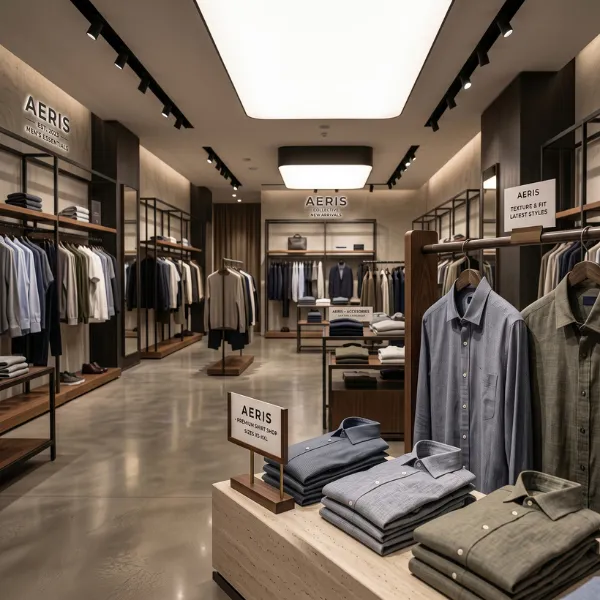
5 Key Factors Affecting Costs in Bulk Men's Shirt Production
Cost calculations in high-volume men’s shirt production form the foundation of purchasing strategies for wholesalers, boutique sellers, private label brands and corporate buyers. Understanding the main factors that influence bulk production costs helps businesses manage budgets more accurately while protecting product quality.
READ MORE
Critical Elements You Need to Know for Successful Export in the European and U.S. Textile Markets
Exporting textile products to Europe and the United States requires more than production capacity and competitive pricing. Each market has its own consumer expectations, legal requirements, certification standards, logistics dynamics and brand communication habits.
READ MORE
Critical Considerations in the Wholesale Shirt Purchasing Process
Buying shirts in bulk is not only about choosing models and comparing prices. For retailers, wholesalers, corporate buyers and private label brands, the success of a shirt order depends on fit selection, fabric quality, cost planning, color variety, delivery reliability, quality control and after-sales support.
READ MORE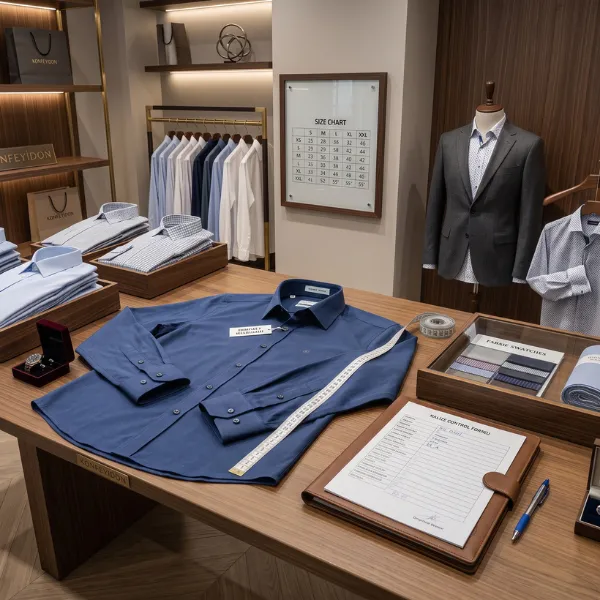
How Is the Quality Control Process Managed in Bulk Shirt Orders?
In bulk shirt orders, ensuring that every product carries the same quality standard is just as important as delivering the order on time. Small differences in a few pieces may create a limited issue in individual sales, but in production volumes of hundreds or thousands of shirts, these differences can turn into serious costs.
READ MORE
The Details of Quality Control Process with Akçınar Giyim in Bulk Shirt Orders
Akçınar Giyim approaches bulk shirt order quality control as a structured process that begins before production and continues until final shipment. By defining clear standards, approving samples and inspecting production stages, businesses can reduce the risk of inconsistent products, customer complaints and delivery problems.
READ MORE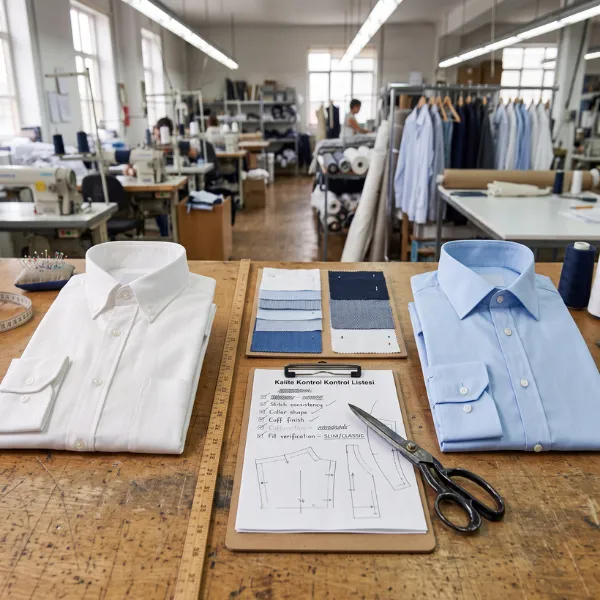
Classic and Slim Fit Men's Shirts The Details of Choosing the Right Cut for Your Brand
Choosing between classic fit and slim fit men’s shirts is an important decision for brands that want to build a strong product identity and meet the expectations of their target customers. Shirt fit affects not only appearance, but also comfort, customer satisfaction, sales performance and brand positioning.
READ MORE