What Should You Consider in Private Label Shirt Pricing? Akçınar Giyim Guide

Private label shirt pricing is not just about calculating cost. For menswear brands, wholesalers, and international buyers, the right price requires a careful balance between quality, production capacity, and market demand. At Akçınar Giyim, we have been providing private label manufacturing solutions since 2011, and we understand how critical accurate pricing is for long-term commercial success.
When pricing is structured correctly, it supports profitability, protects brand positioning, and helps create a competitive product line. Poor pricing decisions, on the other hand, can lead to customer loss, stock issues, and margin pressure. For this reason, brands need a clear and strategic pricing roadmap before moving into production.
What Is Private Label Shirt Pricing and Why Does It Matter?
Private label shirt pricing is the process of determining a competitive and sustainable product cost for shirts manufactured under your own brand name. This process influences how your collection is positioned in the market, how your target audience perceives your brand, and how efficiently your business can grow.
Pricing is not only a financial decision. It also affects quality expectations, retail potential, and purchasing confidence. In international menswear markets, brands that manage pricing professionally are far more likely to build stable and scalable collections.
Core Elements That Shape Shirt Pricing
- Production Cost: Fabric, labor, accessories, dyeing, and finishing processes form the foundation of the final price.
- Production Capacity and Supply Chain: Akçınar Giyim’s daily production capacity supports economies of scale, helping optimize unit costs.
- Quality Standards: Product categories such as classic shirts, casual shirts, non-iron shirts, and garment-dyed shirts can create different pricing levels depending on materials and production techniques.
- Market and Competition Analysis: Target market expectations, competitor pricing, and regional demand patterns should all be considered.
- Brand Positioning: Whether your collection is aimed at a premium segment or a mid-range segment directly affects pricing strategy.
A Practical Roadmap for Beginners in Private Label Shirt Pricing
1. Define the Product and Select Materials Carefully
The first step is to choose fabrics and design details that match the expectations of your target market. Lightweight and breathable fabrics may be preferred for summer collections, while classic shirts often require durable cotton-based materials. Fabric quality has a direct impact on price, so it should always be evaluated through a cost-benefit perspective.
2. Break Down Production Costs in Detail
Akçınar Giyim’s modern production facilities make it possible to optimize labor and process costs while maintaining high quality standards. Every component should be analyzed individually, including:
- Fabric and accessory costs
- Cutting, sewing, and finishing operations
- Packaging and logistics expenses
3. Study the Market and Competitor Pricing
Understanding price levels in your target region helps you remain competitive. For example, non-iron shirts may command stronger pricing in European markets, while special design details may have greater value in different regions. These differences should shape your pricing decisions from the beginning.
4. Build a Sustainable Margin Structure
Once costs are calculated, a realistic profit margin must be added to create the final product price. The goal is to achieve a price point that remains attractive for buyers while also protecting the long-term sustainability of your business.
Pricing Advantages with Akçınar Giyim Private Label Solutions
Akçınar Giyim provides important advantages for private label buyers through its specialized menswear production structure:
- Economies of Scale: High production capacity helps reduce unit costs.
- Diverse Product Range: Classic, casual, non-iron, and garment-dyed shirt options support different market segments.
- International Experience: Production is aligned with export requirements and global market expectations.
- Professional Process Support: From design to delivery, clients receive support at every stage.
Brands looking for a reliable production structure can also review our private label shirt production approach to better understand how quality, scalability, and pricing work together.
Real-World Example: How Pricing Works in Practice
Imagine a mid-sized menswear brand planning to launch a non-iron private label shirt collection for the European market. In a professional production partnership, the process would typically follow these steps:
- Needs Analysis: Product features, fabric type, and design expectations are clarified.
- Cost Calculation: Fabric, labor, finishing, and packaging costs are calculated in detail.
- Pricing Strategy: Competitor benchmarks and market expectations are used to determine a suitable price range.
- Sampling and Approval: Samples are produced and reviewed before bulk production begins.
- Market Launch: The final product is introduced with a pricing strategy aligned to the target customer base.
This structured approach helps brands achieve both pricing discipline and product consistency.
Common Mistakes in Private Label Shirt Pricing
- Ignoring Quality: Trying to reduce cost by lowering material quality can damage brand reputation.
- Skipping Market Research: Without competitor and customer insight, pricing can easily miss the market.
- Misjudging Production Capacity: Overproduction or underproduction can increase total cost pressure.
- Lack of Pricing Flexibility: Failing to adapt pricing to different buyer types or market segments can reduce sales potential.
Conclusion: Build a Smarter Pricing Strategy for Long-Term Growth
Successful private label shirt pricing depends on more than cost calculation. It requires a strategic understanding of product quality, production structure, target markets, and brand positioning. When these elements are managed together, pricing becomes a tool for both profitability and growth.
At Akçınar Giyim, we help brands make informed pricing decisions with strong production expertise, scalable manufacturing, and private label support tailored to international markets. If you want to develop a more competitive and sustainable pricing structure for your next shirt collection, our team is ready to assist you.
Similar Blogs

How Can You Tell a Quality Men's Shirt?
In menswear, shirts are among the most frequently preferred garments for both everyday wear and business life. However, not every shirt has the same level of quality. Many elements, from the fabric structure and stitching details to the fit and collar shape, determine the quality of a men's shirt. Therefore, when choosing a shirt, it is important to consider not only its color and style but also the details that indicate production quality.
READ MORE
Important Factors Affecting Costs When Buying Wholesale
When buying wholesale, material quality is one of the most important factors determining costs. Cotton, polyester, and blended fabrics each have a different pricing level. For example, although high-quality cotton fabrics are more durable and comfortable, they place direct upward pressure on costs. The quality of the yarn used and the weaving density are also among the technical details that affect the price.
READ MORE
Details to Keep in Mind Before Placing a Custom Design Orde
Before placing a custom design order, the first step is to fully define the expectations related to the product. Determining elements such as fabric quality, color palette, cut details and intended use in detail helps prevent misunderstandings that may arise during the production process. Technical drawings or sample requests shared with the supplier are critical for ensuring that the order is understood correctly. At this stage, originality and functionality should be balanced by considering fashion trends and the demands of the target audience.
READ MORE
Key Factors Affecting Prices in Wholesale Purchasing and Common Cost Mistakes
Wholesale price factors play a critical role in purchasing decisions for fashion brands, retailers, boutique sellers, private label companies and corporate buyers. In bulk purchasing, the final price is not shaped only by the product itself; fabric quality, workmanship, production planning, logistics, order volume and market dynamics all influence the total cost.
READ MORE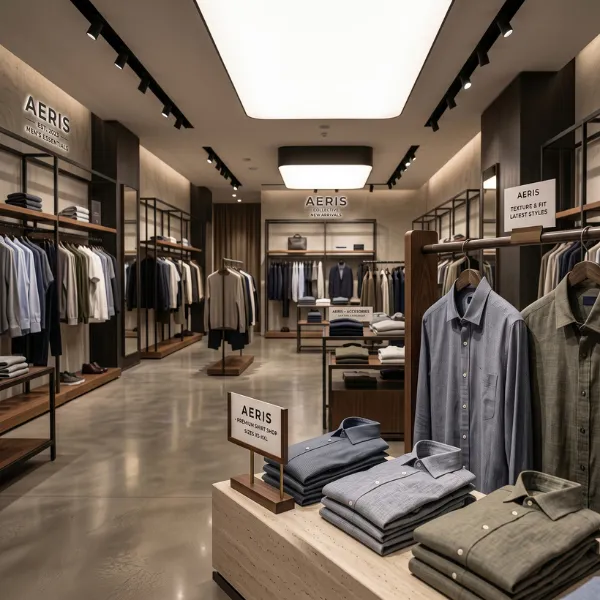
5 Key Factors Affecting Costs in Bulk Men's Shirt Production
Cost calculations in high-volume men’s shirt production form the foundation of purchasing strategies for wholesalers, boutique sellers, private label brands and corporate buyers. Understanding the main factors that influence bulk production costs helps businesses manage budgets more accurately while protecting product quality.
READ MORE
Critical Elements You Need to Know for Successful Export in the European and U.S. Textile Markets
Exporting textile products to Europe and the United States requires more than production capacity and competitive pricing. Each market has its own consumer expectations, legal requirements, certification standards, logistics dynamics and brand communication habits.
READ MORE
Critical Considerations in the Wholesale Shirt Purchasing Process
Buying shirts in bulk is not only about choosing models and comparing prices. For retailers, wholesalers, corporate buyers and private label brands, the success of a shirt order depends on fit selection, fabric quality, cost planning, color variety, delivery reliability, quality control and after-sales support.
READ MORE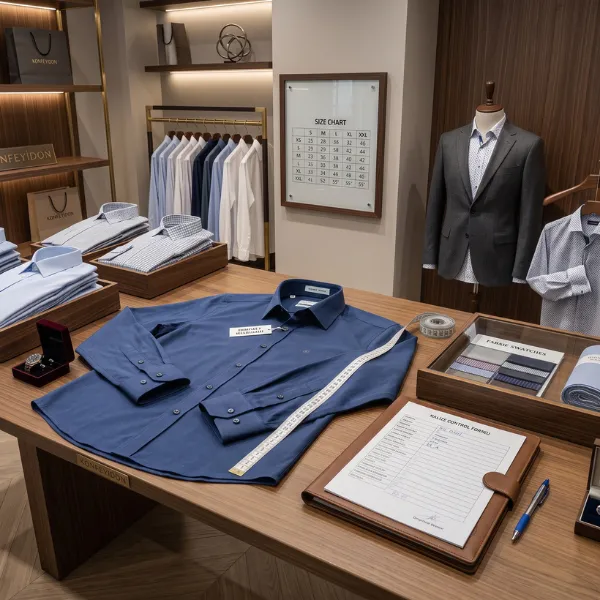
How Is the Quality Control Process Managed in Bulk Shirt Orders?
In bulk shirt orders, ensuring that every product carries the same quality standard is just as important as delivering the order on time. Small differences in a few pieces may create a limited issue in individual sales, but in production volumes of hundreds or thousands of shirts, these differences can turn into serious costs.
READ MORE
The Details of Quality Control Process with Akçınar Giyim in Bulk Shirt Orders
Akçınar Giyim approaches bulk shirt order quality control as a structured process that begins before production and continues until final shipment. By defining clear standards, approving samples and inspecting production stages, businesses can reduce the risk of inconsistent products, customer complaints and delivery problems.
READ MORE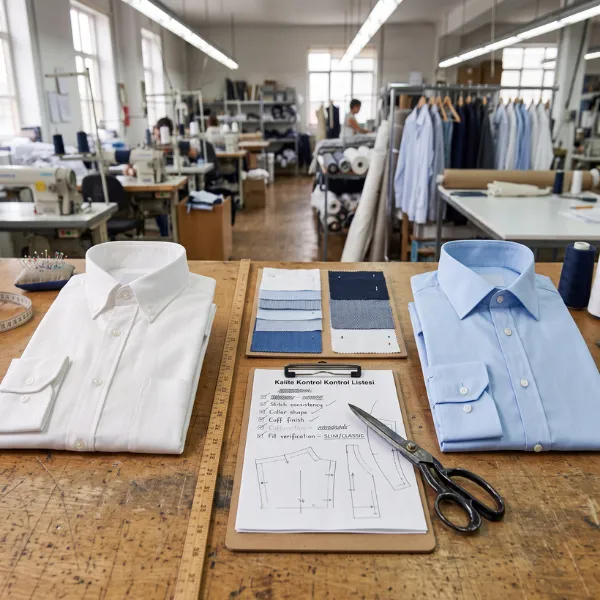
Classic and Slim Fit Men's Shirts The Details of Choosing the Right Cut for Your Brand
Choosing between classic fit and slim fit men’s shirts is an important decision for brands that want to build a strong product identity and meet the expectations of their target customers. Shirt fit affects not only appearance, but also comfort, customer satisfaction, sales performance and brand positioning.
READ MORE