Expert-Recommended Key Approaches for Choosing a Custom Tailored Shirt

Custom-tailored shirts are one of the most refined ways for modern men to express personal style, comfort, and elegance. However, a truly successful custom shirt is not created by design alone. Fabric quality, body measurements, cutting technique, stitching details, and finishing standards all work together to define the final result.
For men who value a classic yet modern appearance, understanding the key details of custom shirt production helps make a more informed purchasing decision. A well-made shirt is not just a clothing item; it is a long-term style investment that reflects confidence and attention to detail.
1. The Importance of Fabric Selection in Custom-Tailored Shirts
The foundation of every custom-tailored shirt is high-quality fabric. Fabric choice directly affects the appearance, comfort, durability, breathability, and overall wearing experience of the shirt. For modern urban men, breathable, durable, and long-lasting fabrics are usually the most suitable options.
Cotton fabrics offer a classic and elegant look while supporting comfort throughout the day. Poplin and oxford weaves add different textures and character to the shirt, making them suitable for both business and smart casual styles. The fabric should match not only the season but also the intended use of the shirt.
As one of Türkiye’s established shirt manufacturers, Akçınar Giyim approaches fabric selection with a focus on quality, comfort, and international expectations. Choosing the right material is the first step in creating a shirt that looks refined and feels comfortable.
2. Fabric Types and Their Style Impact
Different fabric structures create different shirt characters. This is why fabric selection should be considered carefully before production begins.
- Cotton: A natural, breathable, and classic choice for elegant daily and business shirts.
- Poplin: Lightweight and smooth, ideal for clean and polished office looks.
- Oxford: More textured and durable, suitable for smart casual combinations.
- Twill: Offers a slightly diagonal weave and refined texture for more structured styles.
- Blended fabrics: Can support easy care, durability, and cost efficiency depending on the product goal.
The right fabric should support the wearer’s lifestyle. A shirt designed for long business days should offer breathability and movement comfort, while a shirt for special occasions may prioritize elegance and texture.
3. The Art of Cutting According to Body Measurements
One of the most important elements of a successful custom-tailored shirt is accurate measurement and personal fit. A shirt that fits the body correctly creates a strong difference in both comfort and visual appearance.
A well-balanced shoulder line, correct sleeve length, comfortable collar fit, and precise waist adjustment all help reveal the classic elegance of the shirt. The goal is not to create a shirt that is too tight, but one that follows the body naturally and allows freedom of movement.
Experienced manufacturers combine precise patterns with skilled tailoring to create a personalized shirt experience. This process is especially important for men who want both modern style and long-lasting comfort.
4. Stitching and Workmanship Quality
In custom-tailored shirts, workmanship is one of the strongest indicators of quality. Fine and durable stitching, strong thread selection, precise collar construction, and carefully finished cuffs all contribute to a longer-lasting product.
Small details such as button placement, collar shape, sleeve placket, cuff structure, and seam alignment may seem minor at first glance, but they strongly affect the overall quality perception of the shirt.
Türkiye’s established shirt manufacturers place great importance on craftsmanship and detail. This approach helps create shirts that meet both local quality expectations and international standards.
5. Design Details That Combine Style and Functionality
A custom-tailored shirt is not only about measurements and fabric. Design details should also reflect the wearer’s personal style. Collar type, button selection, cuff style, stitching details, and color tone all influence the final appearance of the shirt.
- Collar type: Classic, button-down, cutaway, or modern collar styles can be selected according to face shape and usage purpose.
- Button selection: Button color, material, and contrast details can add character to the shirt.
- Cuff style: Standard or more formal cuff options can change the shirt’s overall impression.
- Color and pattern: Solid colors, stripes, checks, and subtle patterns can be chosen according to wardrobe needs.
Functionality is also important. Easy-care fabrics, comfortable cuts, and freedom of movement make the shirt more practical for daily use. For men who want to review available styles and production options, Akçınar Giyim’s shirt product groups page can be a useful starting point.
6. International Quality Standards in Custom Shirt Production
When buying a custom-tailored shirt, quality should not be limited to local expectations. Fabric selection, production methods, sustainability awareness, ethical production, and quality control processes should also align with international standards.
Reliable manufacturers support their products with consistent quality checks, strong production experience, and attention to detail. This gives customers confidence and helps ensure that the shirt performs well over time.
Akçınar Giyim combines long-standing production experience with modern shirt design expectations, offering solutions for style-conscious urban men, retailers, wholesale buyers, and corporate customers.
7. Why a Custom-Tailored Shirt Is a Style Investment
A custom-tailored shirt offers more than standard sizing. It gives the wearer a more personal, comfortable, and refined experience. With the right fabric, precise cut, and quality workmanship, the shirt becomes a signature part of the wardrobe.
For modern men, this means more confidence in business meetings, social events, daily office life, and special occasions. A well-made shirt supports posture, comfort, and personal style at the same time.
Practical Checklist Before Choosing a Custom-Tailored Shirt
- Choose a fabric that matches your season, lifestyle, and comfort expectations.
- Make sure your body measurements are taken accurately.
- Check shoulder line, sleeve length, waist fit, and collar comfort.
- Review stitching quality, button details, cuffs, and collar construction.
- Select design details that match your personal style.
- Work with an experienced shirt manufacturer for consistent quality.
- Consider the shirt as a long-term style investment, not a one-time purchase.
In Summary: Custom Shirt Quality Starts with the Right Details
Custom-tailored shirts require careful attention to fabric, fit, cutting, stitching, design, and production standards. When these details come together correctly, the result is a shirt that offers comfort, elegance, durability, and personal style.
With Akçınar Giyim’s experience and wide shirt production capability, you can discover custom shirt solutions that reflect your measurements, taste, and lifestyle. Choosing the right fabric, fit, and workmanship allows your shirt to become one of the most valuable pieces in your wardrobe.
Similar Blogs
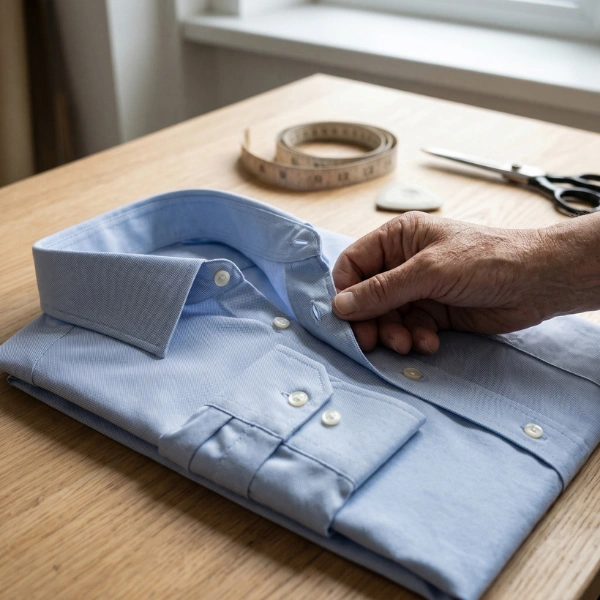
How Can You Tell a Quality Men's Shirt?
In menswear, shirts are among the most frequently preferred garments for both everyday wear and business life. However, not every shirt has the same level of quality. Many elements, from the fabric structure and stitching details to the fit and collar shape, determine the quality of a men's shirt. Therefore, when choosing a shirt, it is important to consider not only its color and style but also the details that indicate production quality.
READ MORE
Important Factors Affecting Costs When Buying Wholesale
When buying wholesale, material quality is one of the most important factors determining costs. Cotton, polyester, and blended fabrics each have a different pricing level. For example, although high-quality cotton fabrics are more durable and comfortable, they place direct upward pressure on costs. The quality of the yarn used and the weaving density are also among the technical details that affect the price.
READ MORE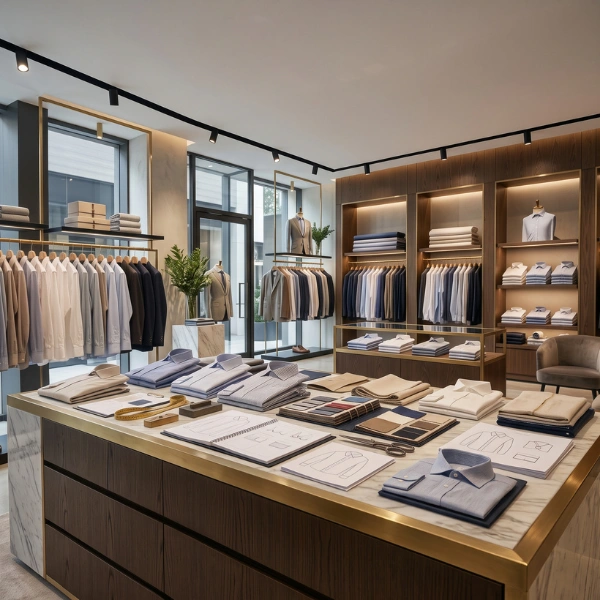
Details to Keep in Mind Before Placing a Custom Design Orde
Before placing a custom design order, the first step is to fully define the expectations related to the product. Determining elements such as fabric quality, color palette, cut details and intended use in detail helps prevent misunderstandings that may arise during the production process. Technical drawings or sample requests shared with the supplier are critical for ensuring that the order is understood correctly. At this stage, originality and functionality should be balanced by considering fashion trends and the demands of the target audience.
READ MORE
Key Factors Affecting Prices in Wholesale Purchasing and Common Cost Mistakes
Wholesale price factors play a critical role in purchasing decisions for fashion brands, retailers, boutique sellers, private label companies and corporate buyers. In bulk purchasing, the final price is not shaped only by the product itself; fabric quality, workmanship, production planning, logistics, order volume and market dynamics all influence the total cost.
READ MORE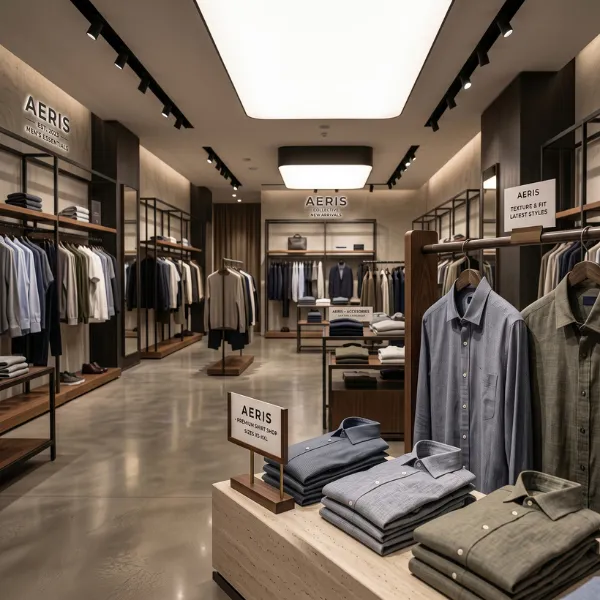
5 Key Factors Affecting Costs in Bulk Men's Shirt Production
Cost calculations in high-volume men’s shirt production form the foundation of purchasing strategies for wholesalers, boutique sellers, private label brands and corporate buyers. Understanding the main factors that influence bulk production costs helps businesses manage budgets more accurately while protecting product quality.
READ MORE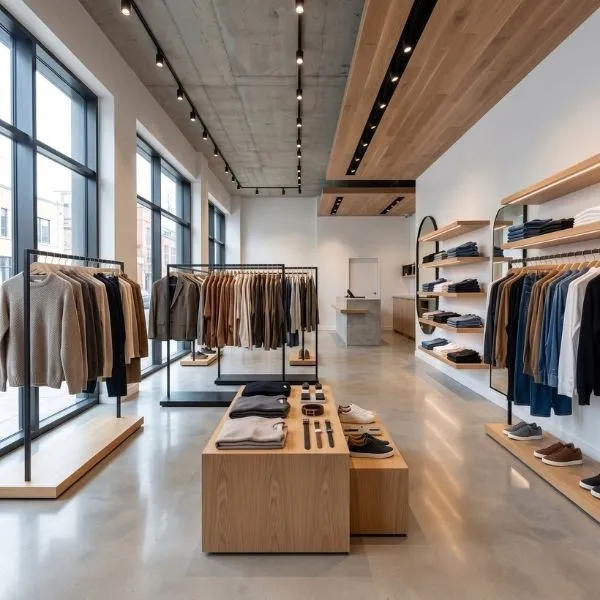
Critical Elements You Need to Know for Successful Export in the European and U.S. Textile Markets
Exporting textile products to Europe and the United States requires more than production capacity and competitive pricing. Each market has its own consumer expectations, legal requirements, certification standards, logistics dynamics and brand communication habits.
READ MORE
Critical Considerations in the Wholesale Shirt Purchasing Process
Buying shirts in bulk is not only about choosing models and comparing prices. For retailers, wholesalers, corporate buyers and private label brands, the success of a shirt order depends on fit selection, fabric quality, cost planning, color variety, delivery reliability, quality control and after-sales support.
READ MORE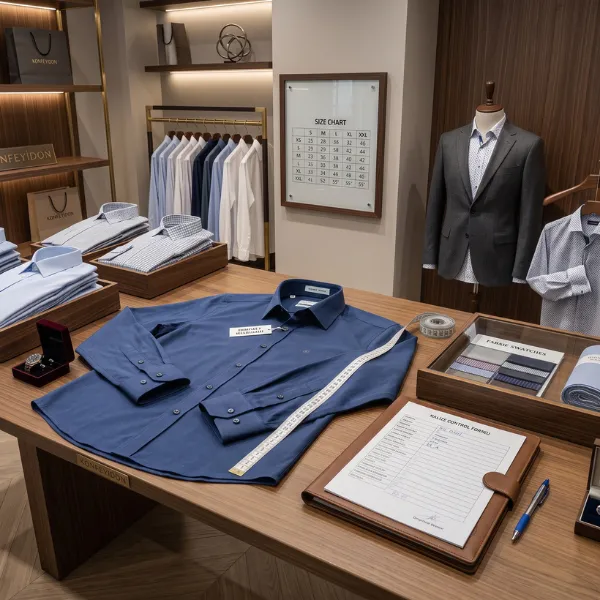
How Is the Quality Control Process Managed in Bulk Shirt Orders?
In bulk shirt orders, ensuring that every product carries the same quality standard is just as important as delivering the order on time. Small differences in a few pieces may create a limited issue in individual sales, but in production volumes of hundreds or thousands of shirts, these differences can turn into serious costs.
READ MORE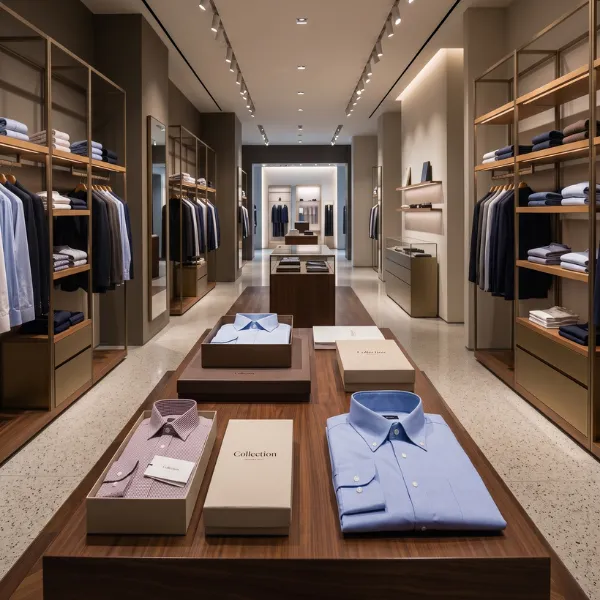
The Details of Quality Control Process with Akçınar Giyim in Bulk Shirt Orders
Akçınar Giyim approaches bulk shirt order quality control as a structured process that begins before production and continues until final shipment. By defining clear standards, approving samples and inspecting production stages, businesses can reduce the risk of inconsistent products, customer complaints and delivery problems.
READ MORE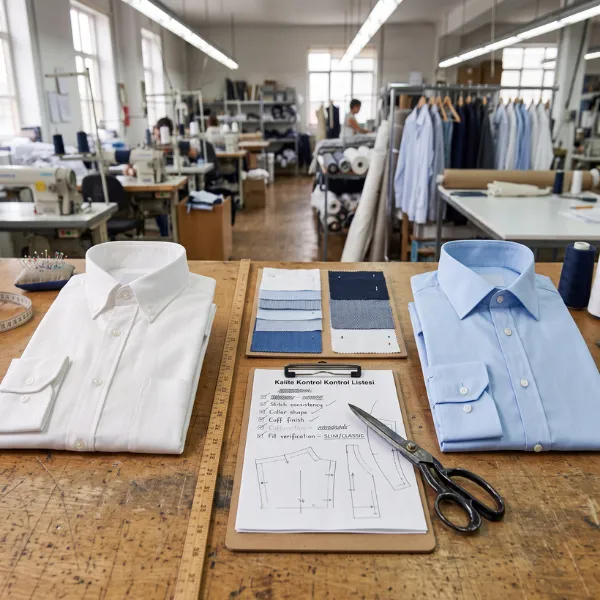
Classic and Slim Fit Men's Shirts The Details of Choosing the Right Cut for Your Brand
Choosing between classic fit and slim fit men’s shirts is an important decision for brands that want to build a strong product identity and meet the expectations of their target customers. Shirt fit affects not only appearance, but also comfort, customer satisfaction, sales performance and brand positioning.
READ MORE